AC repair in Mesa, Arizona
Mesa AC repair. Measured, no-pressure diagnostics.
Local troubleshooting for air conditioners that are not cooling, making noise, leaking, short-cycling, or using more energy than expected. Based in Mesa and serving nearby Valley communities.
Phones answered 24/7. Technician visits depend on availability.
ROC #339223 Arizona CR-39Licensed, bonded & insured Arizona contractor credentialsLocal, owner-led service Kevin & TylerPhones answered 24/7 Dispatch based on availability
Straightforward local service
Practical solutions for Arizona comfort.
Liquid HVAC diagnoses the complete system before recommending a repair. You receive a clear explanation of the findings, the available options, and the approved scope before repair work begins.
- Cooling-performance and temperature-split diagnostics
- Electrical, capacitor, contactor, motor, and control repairs
- Refrigerant-circuit evaluation and leak diagnostics
- Drainage, thermostat, airflow, and duct-related troubleshooting
- Residential and light-commercial AC service
When to call
Signs it is time for a professional evaluation.
System runs but cannot keep up
Frequent cycling or breaker trips
Water around the indoor equipment
New noises, odors, or vibration
Unexpected increase in energy use
The Liquid HVAC approach
Clear communication from start to finish.
Inspect
We evaluate the equipment, controls, airflow, temperatures, electrical operation, and overall system condition.
Explain
You receive the findings and practical repair or replacement options without a pressure-driven sales pitch.
Verify
After approved work, we restart and test the system to confirm its operation.
Symptom guide
Know what to check—and when to turn the system off.
These checks can help you describe the problem safely. They are not a substitute for an on-site diagnosis.
Warm air or weak cooling
Schedule a prompt evaluation- What it may involve
- Thermostat or control problems, restricted airflow, outdoor-unit faults, or a refrigeration issue can all reduce cooling.
- Safe next step
- Confirm cooling mode and the setpoint, check the filter, and make sure supply and return vents are open.
Outdoor unit will not start
Professional service recommended- What it may involve
- Power, control, capacitor, contactor, motor, or compressor conditions may prevent the outdoor equipment from operating.
- Safe next step
- Check the thermostat and breaker once. Do not repeatedly reset a breaker that trips again.
Ice on the coil or refrigerant line
Turn cooling off- What it may involve
- Restricted airflow, coil conditions, or a refrigeration problem may cause freezing.
- Safe next step
- Stop cooling, leave the ice alone, and request service. Chipping ice can damage the equipment.
Repeated breaker trips or burning odor
Stop operation- What it may involve
- An electrical fault or an overheating motor, compressor, control, or connection needs careful evaluation.
- Safe next step
- Turn the system off. Do not keep resetting it, restart it, or open an electrical panel. If you see smoke, flame, or sparking, leave the area and call 911.
Water near indoor equipment
Protect the home and arrange service- What it may involve
- A blocked drain, drain-pan or pump issue, or a frozen coil can lead to water around the indoor unit.
- Safe next step
- Turn the system off if water is near electrical components or poses a ceiling risk. Avoid energized equipment.
Grinding, scraping, or severe vibration
Turn it off if the noise is harsh- What it may involve
- A wheel, motor, fan, mount, or other moving component may be loose or damaged.
- Safe next step
- Do not reach into moving equipment. Stop the system and request a professional inspection.
Complete-system diagnosis
Measurements before recommendations.
A useful diagnosis connects the symptom to the condition causing it. Depending on the equipment and complaint, the evaluation can include:
- Thermostat settings, calls, and control communication
- Electrical supply, connections, safeties, and component operation
- Indoor and outdoor equipment condition
- Supply and return air temperatures
- Filter, coil, blower, register, and duct airflow conditions
- Condensate drain, pan, and pump operation
- Refrigerant pressures and temperatures when indicated
- Startup and operating performance after approved work
What you receive: a plain-language explanation of the findings, the recommended scope, and the price for proposed work before you decide how to proceed.
Before your technician arrives
Help us begin with the right information.
Only gather details that are safely accessible. Never remove an electrical or equipment panel.
- Note when the problem began and what the system was doing.
- Photograph a thermostat message or error code if one appears.
- Have the model or serial information available only if it is easy and safe to reach.
- Clear a safe path to the equipment, secure pets, and arrange adult access before arrival.
- Turn the system off for burning odors, repeated breaker trips, smoke, sparking, or severe leaking. Leave the area and call 911 for active smoke or flame.
Arizona repair decisions
Context that matters in Valley homes and businesses.
Why local conditions matter
- Extended run times during extreme heat
- Dust buildup that can affect coils and airflow
- Monsoon debris and moisture around outdoor equipment
- Hot attic or rooftop equipment access
- Heavy condensate loads and drainage conditions
Why one symptom has many price paths
- The failed component and complete repair scope
- Equipment age, condition, and parts availability
- Manufacturer or labor-warranty coverage
- Attic, rooftop, or other equipment access
- Leak diagnostics and refrigerant work when needed
Repair or replace?
Compare the full picture—not one sales pitch.
When the issue is isolated
A repair may make sense when the rest of the equipment is in serviceable condition, the needed part is available, the failure is isolated, and the system has a stable repair history.
See customer experiencesWhen risk is becoming cumulative
Recurring major repairs, limited parts, an older refrigerant, multiple worn components, or persistent comfort and airflow issues can make a replacement comparison useful.
Use the replacement estimatorImportant: the online estimator provides replacement planning prices. It is not a quote for AC repair; repair pricing follows diagnosis and the approved scope. You can also review the AC installation and replacement process before comparing paths.
Equipment and applications
Residential comfort and light-commercial cooling.
Residential AC systems
Split systems, heat pumps, package units, and mini-splits serving Valley homes.
- No-cool and intermittent-cooling concerns
- Electrical, airflow, drainage, and refrigeration diagnostics
- Thermostat and comfort-control troubleshooting
Light-commercial equipment
Rooftop and package-equipment diagnostics for accessible light-commercial applications.
- Cooling-performance and control evaluation
- Blower, motor, electrical, and airflow concerns
- Scheduling based on access, parts, and availability
Broad Valley coverage
Dependable AC repair across the Valley.
Based in Mesa, we serve communities across the Phoenix Valley. Scheduling and travel availability vary by location.
AC repair experiences
What customers say about the service.
After getting misdiagnosed for a wiring issue, Liquid HVAC responded within the hour and had us cooling again. The issue was only a programming error. Thank you, Ty and team!
This company is great! Tyler came out and addressed my A/C issues and did not go right into a sales pitch. I will definitely use Liquid HVAC for all my A/C needs.
Real Liquid HVAC work
Field experience you can see.
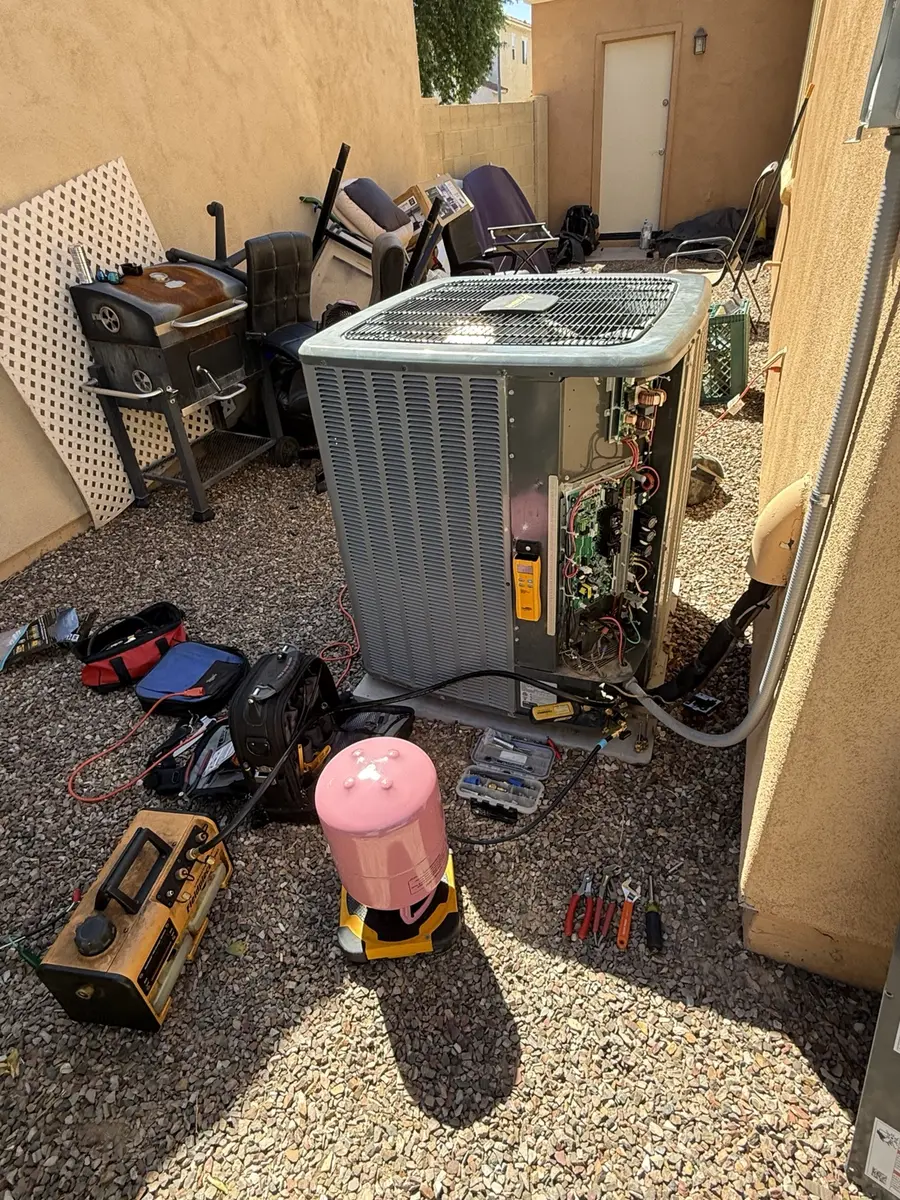
Compressor and control-board repair
A documented Goodman 20 SEER job involving a replacement compressor, PCB control board, and HVAC surge protector.
Read the Goodman repair field notes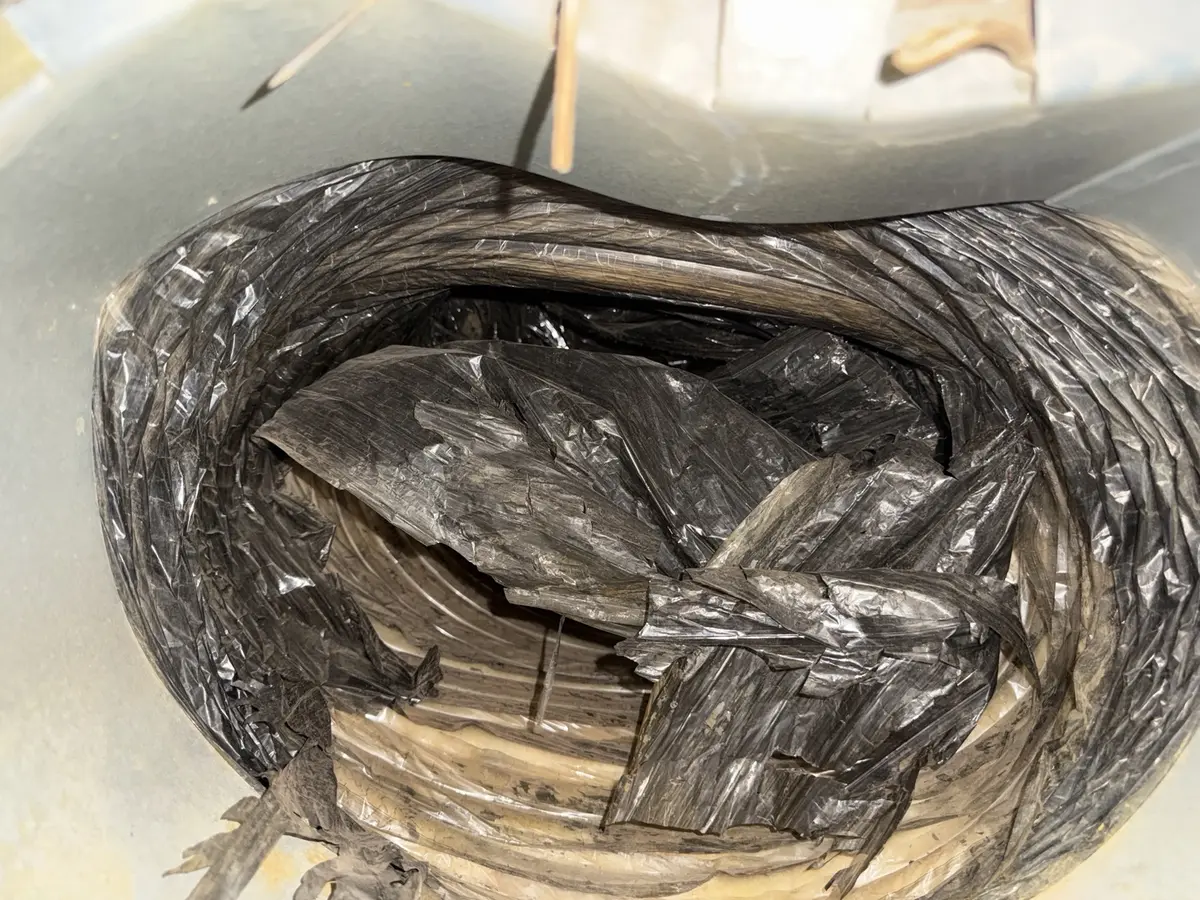
Airflow restriction identified
A real field diagnosis showing how a collapsed flexible duct opening can restrict airflow and affect comfort.
Read the airflow diagnosis field notesCommon questions
Helpful answers before you schedule.
Why is my AC running but not cooling the house?
Possible causes include a thermostat or control issue, restricted airflow, a dirty or damaged component, an outdoor-unit problem, or a refrigeration fault. Because several conditions can look alike, measurements and a complete-system inspection are more reliable than guessing from one symptom.
What should I do if the AC breaker keeps tripping?
Turn the system off and do not keep resetting the breaker. A repeated trip can indicate an electrical fault or a failing component. A technician should inspect the electrical and mechanical operation before the system is restarted.
Should I run the AC when the line or coil is frozen?
No. Turn cooling off and do not chip or scrape the ice. Frozen equipment can be related to airflow or refrigeration conditions, and continued operation may make the problem worse.
What does an AC diagnostic visit include?
The evaluation is guided by the symptom and may include controls, electrical operation, temperature performance, airflow, drainage, equipment condition, and refrigeration readings when indicated. Liquid HVAC explains the findings and proposed scope before approved repair work begins.
Does an air conditioner simply use up refrigerant?
Refrigerant circulates in a sealed system; it is not a fuel that should routinely be consumed. A low reading can point to a leak, an incorrect charge, or previous service conditions, so diagnosis should come before adding refrigerant.
How do I decide between repairing and replacing the system?
Consider the system's condition and age, repair history, warranty, parts availability, refrigerant type, comfort performance, and the current repair cost. Liquid HVAC can explain the repair and replacement paths so you can compare them without pressure.
Does Liquid HVAC provide after-hours AC repair?
Phones are answered 24/7. After-hours field service depends on technician availability and is not guaranteed, so call or submit a service request for the current response window.
Do you work on residential and light-commercial air conditioning?
Yes. Liquid HVAC services residential split systems, heat pumps, package units, mini-splits, and light-commercial rooftop equipment, subject to equipment access, parts, and scheduling.

Ready when you are
Need dependable AC repair?
Request service online, or call or text Liquid HVAC at (480) 490-4000. Phones are answered 24/7; after-hours field service depends on technician availability.