
01 · What we found
The duct was no longer open enough to move air properly
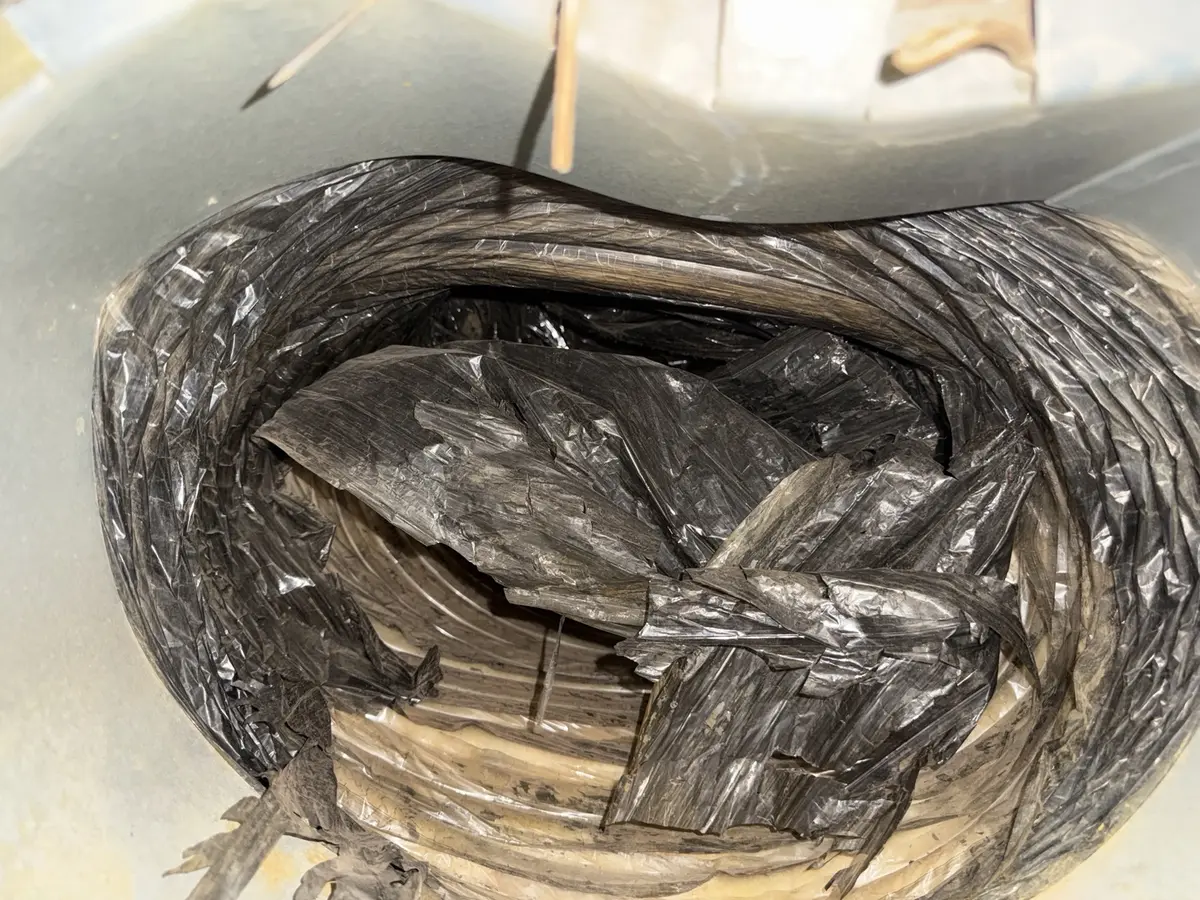
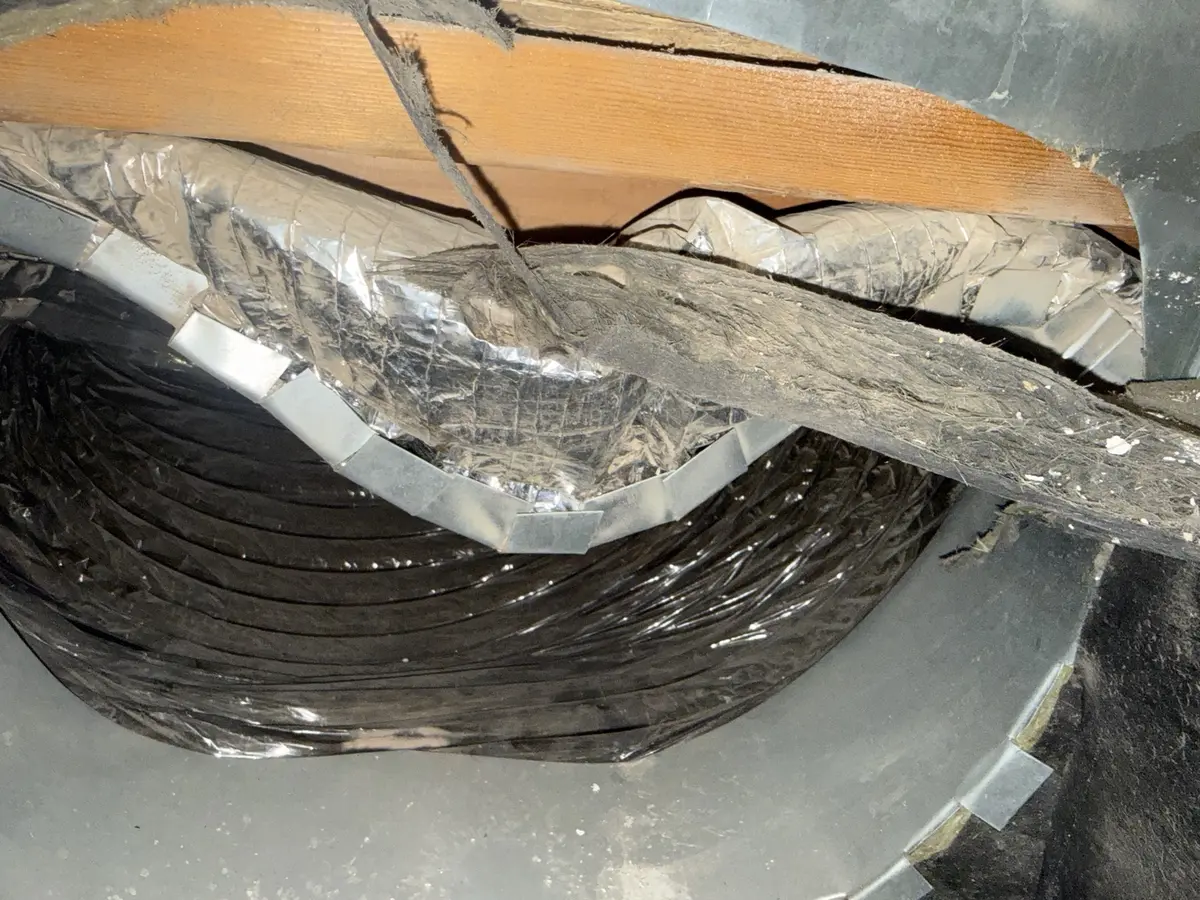
Flexible ductwork is designed to maintain a round, open pathway between the HVAC system and the rooms it serves. In this case, part of the duct had folded and collapsed into the opening.
The restriction was easy to see once the connection was inspected closely: much of the air passage was blocked by the duct liner itself.
Collapsed flexible ductwork was restricting airflow. This post documents the condition found during the inspection; the appropriate repair depends on the damaged section, access, and the surrounding duct installation.
02 · Why it matters
An operating HVAC unit still needs a clear air path
Even when the heating or cooling equipment is operating, a collapsed duct can keep the conditioned air from reaching the intended area. The result can be weak airflow, uneven temperatures, longer run times, or a room that never feels comfortable.
A severe restriction can also add resistance to the duct system. That is why a complete comfort diagnosis should consider the equipment, filter, blower, coils, returns, supply ducts, and accessible connections—not just whether the outdoor unit turns on.
03 · Real field photos
The restriction during inspection
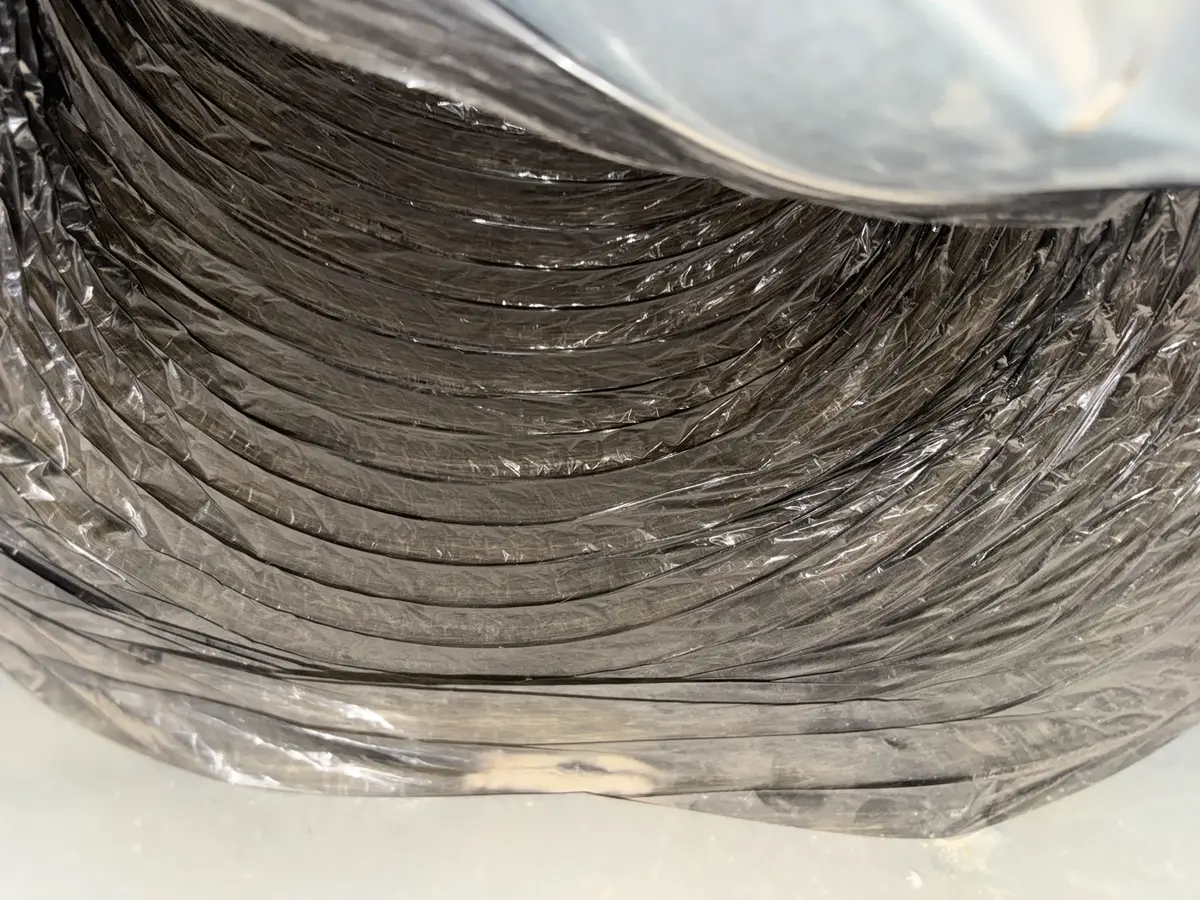
These actual jobsite photos show the collapsed liner, the compressed connection, and the interior of the flexible duct during the airflow inspection.
04 · What homeowners may notice
Airflow problems can look like equipment problems
Several conditions can cause weak airflow, so the system should be inspected before assuming the blower or outdoor equipment has failed. Possible signs of a duct restriction include:
- One room or area receives noticeably less air
- Uneven temperatures between rooms
- Longer heating or cooling run times
- A whistling, rushing, or unusually quiet vent
- Comfort problems even though the equipment is running
05 · The repair path
Restore the duct shape, support, and sealed connection
Depending on the condition and location, the affected duct may need to be reshaped and properly supported or the damaged section may need replacement. Connections should be secured and sealed, and the duct should be routed without sharp bends, crushing, or excess compression.
After the restriction is corrected, airflow should be checked again. When appropriate, a technician may also evaluate blower operation, accessible duct conditions, filter condition, and system static pressure to make sure the original complaint has been addressed.
06 · Safety note
Attic and duct inspections can involve real hazards
Do not enter a hot or difficult-to-access attic, reach into operating equipment, or disturb electrical components to inspect ductwork. Attics can contain sharp metal, unstable walking surfaces, electrical hazards, and extreme heat.
A trained HVAC professional can inspect the air path, identify the restriction, and explain whether the affected duct should be corrected, supported, sealed, or replaced.